
What options does the Pentagon have to cover its mounting FY26 operational costs?
“If I were still in the building, I would say, ‘I'm probably screwed now,'" a former official told Breaking Defense.
“If I were still in the building, I would say, ‘I'm probably screwed now,'" a former official told Breaking Defense.

Pentagon program offices are under pressure, juggling the urgency of getting reconciliation funding under contract by Oct. 1 while making sure those contracts include fair pricing and adequate oversight, one defense official told Breaking Defense.


Manufacturing scale, global sustainment, and next-gen tech are becoming inseparable.

After a drastic reduction proposed by the White House, the Senate Appropriations Committee would fund the Office of Space Commerce at $60 million in FY26 to continue with TraCSS.
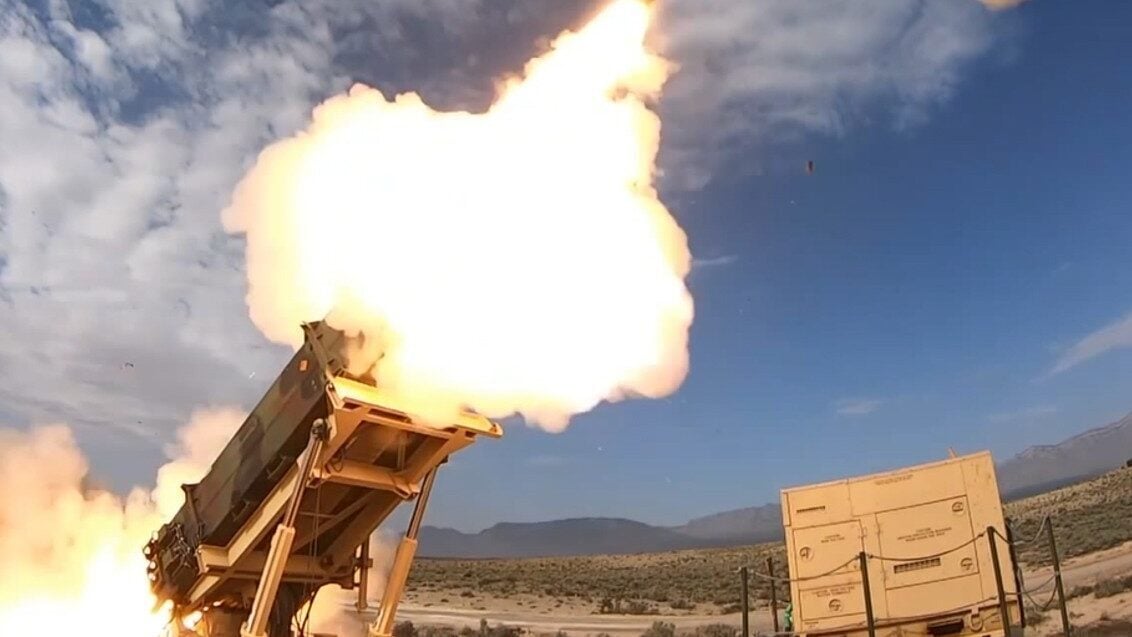
The Army's Unfunded Priorities List features, for instance, an additional $581 million for small drones and counter-unmanned aerial systems, as both are “changing faster than our budget can react," according to Army Chief of Staff Gen. Randy George.

"If we can build this better, faster, cheaper, both sides should be rewarded for that," said Bryon Hargis, Castelion’s founder and CEO.

The bill moved forward in a 51-50 vote that required Vice President JD Vance to make the tiebreaking vote, with Republican Sens. Susan Collins of Maine, Rand Paul of Kentucky, and Thom Tillis of North Carolina opposing the measure.

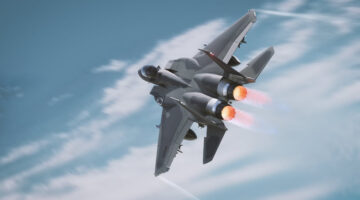
GE Aerospace’s investments in the F110 are paying off in both production and delivery performance.
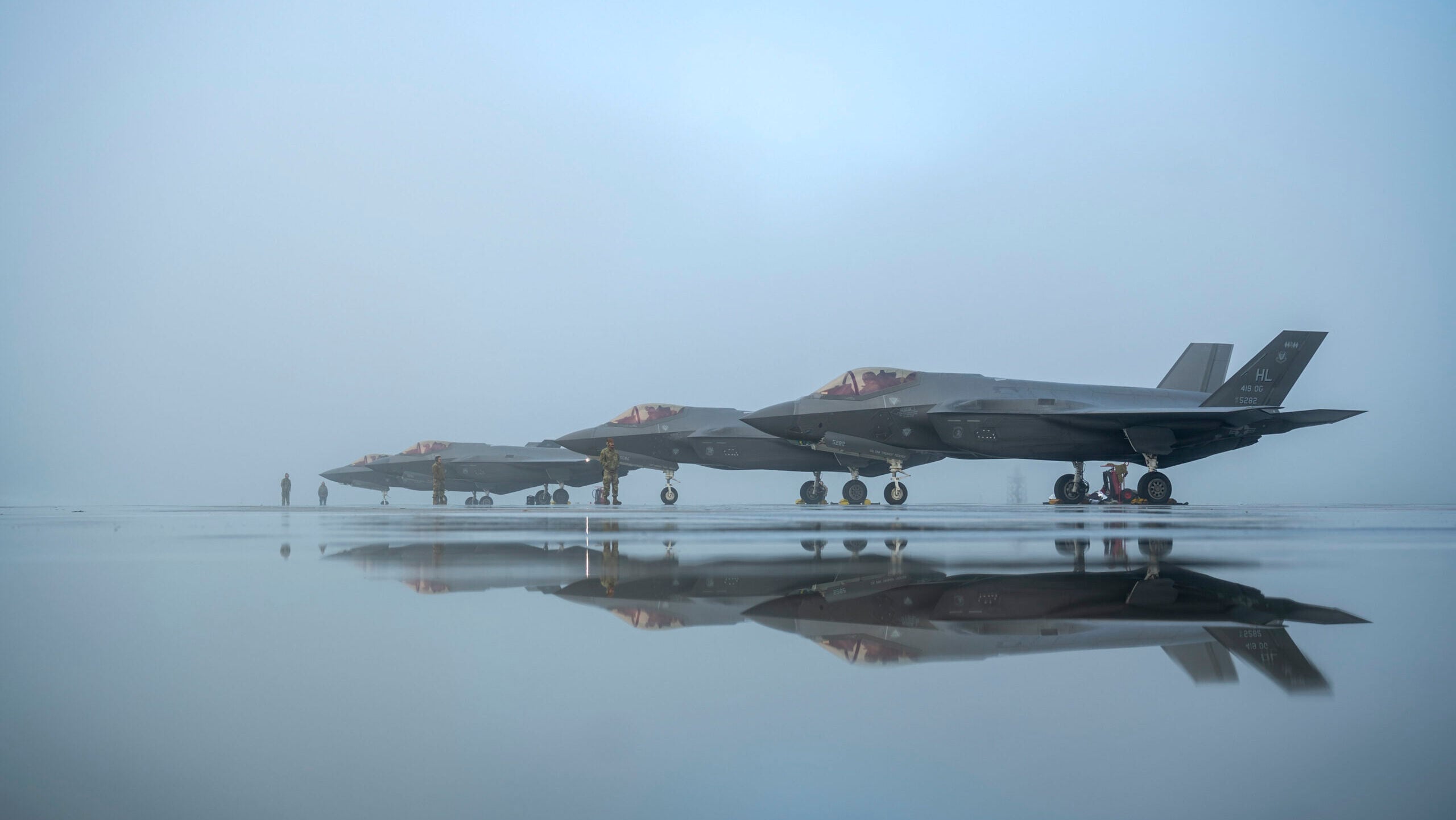
The budget reveals new details about some key programs, including an apparent decision to put the Navy's next-gen fighter jet on the backburner.
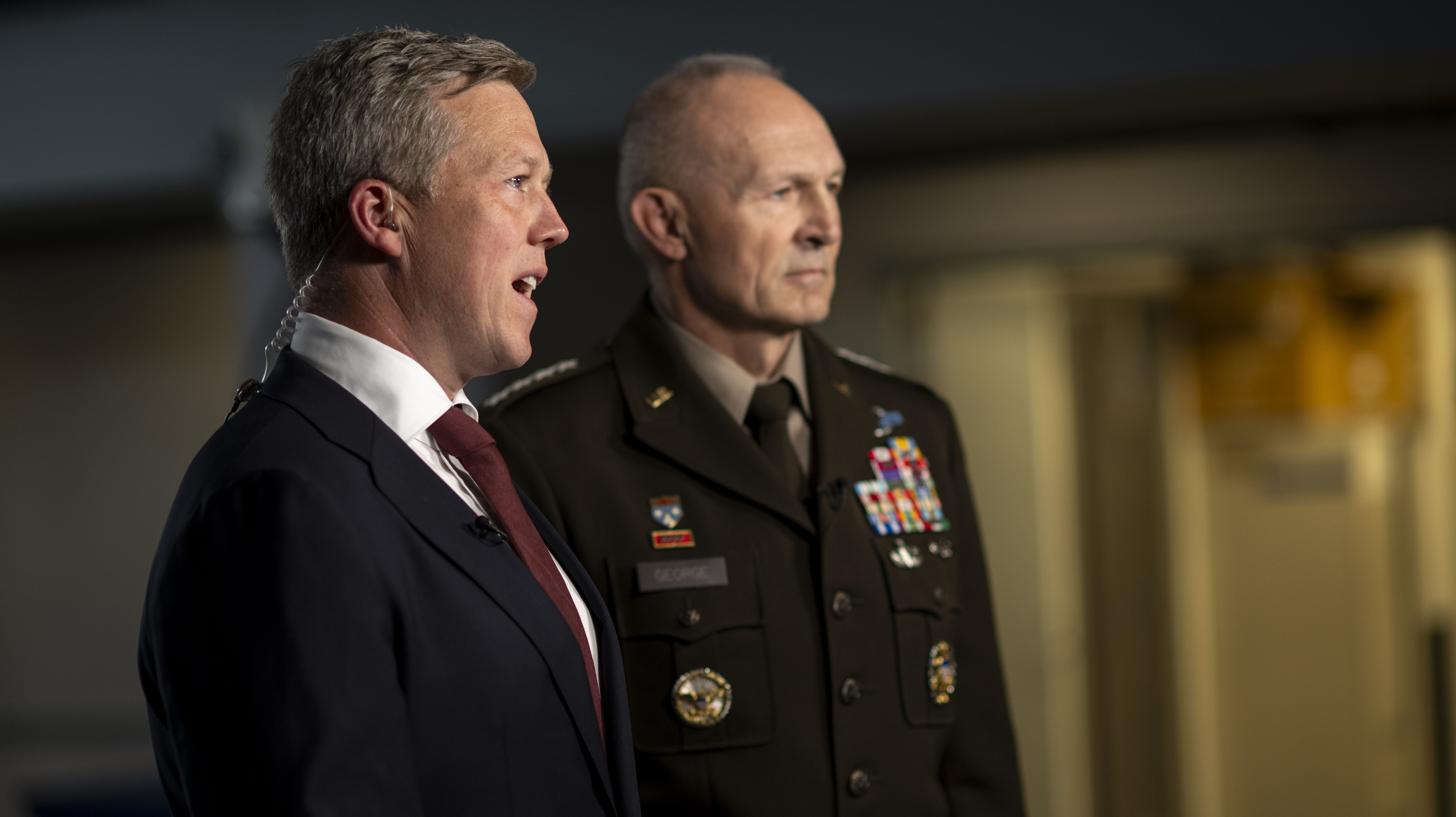
“You chose to give us a plan with few details, with no budgeting and a failure to answer a lot of our questions, and now [I’m] hearing about how this plan will be implemented from my own constituents, not from leadership,” said Rep. Eric Sorensen.